English
  日本語
日本語  한국어
한국어  français
  Deutsch
  Español
  italiano
  русский
  português
  ไทย
ไทย  Malay
Malay 

Commercial Vehicle Safety Is No Longer Just About Recording Video
As fleet operations become increasingly complex, vehicle safety has evolved beyond simple incident recording. Fleet managers today face challenges ranging from accident liability and insurance claims to cargo theft, driver behavior management, and regulatory compliance.
According to the National Highway Traffic Safety Administration (NHTSA), advanced safety technologies such as driver monitoring systems and collision warning systems continue to play a critical role in reducing commercial vehicle accidents and improving road safety.
For trucking companies, public transportation operators, logistics providers, and government agencies, investing in a professional commercial vehicle camera system is becoming a strategic decision rather than simply a security upgrade.
This guide explores the key features, benefits, and buying considerations for commercial vehicle camera systems in 2026.
What Is a Commercial Vehicle Camera System?
A commercial vehicle camera system is an integrated mobile surveillance solution designed specifically for fleet vehicles, including:
Trucks
Buses
School buses
Taxis
Police vehicles
Delivery vans
Utility vehicles
Unlike consumer-grade dash cameras, professional fleet surveillance systems combine multiple technologies into a centralized platform:
Mobile DVR (MDVR)
Multi-camera recording
GPS vehicle tracking
4G/5G wireless communication
Fleet management software
AI-powered safety monitoring
The objective is to provide complete vehicle visibility, real-time situational awareness, and reliable video evidence for operational and safety management.
Dash Cam vs. Commercial Vehicle Camera System
Many fleet operators initially consider installing standard dash cams. However, the capabilities of a professional commercial vehicle surveillance system are significantly different.
| Feature | Standard Dash Cam | Commercial Vehicle Camera System |
| Recording Channels | 1–2 Cameras | 4–8 Cameras or More |
| Video Storage | SD Card Only | HDD/SSD + SD Backup |
| Live Monitoring | No | Yes |
| GPS Tracking | Limited | Real-Time Tracking |
| Remote Access | No | 4G/5G Connectivity |
| AI Safety Features | Rare | ADAS & DSM |
| Fleet Management Integration | No | Yes |
| Typical Application | Personal Vehicles | Commercial Fleets |
A dash cam records incidents. A fleet camera system helps prevent them while improving operational visibility.
Essential Features of Modern Fleet Camera Systems
1. Multi-Camera Coverage with MDVR Technology
Commercial vehicles have multiple blind spots that cannot be covered by a single camera.
A professional MDVR solution typically supports:
Front road-facing cameras
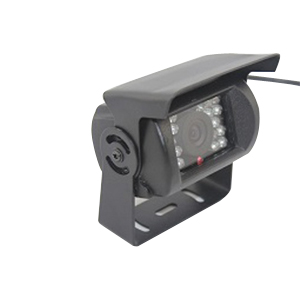
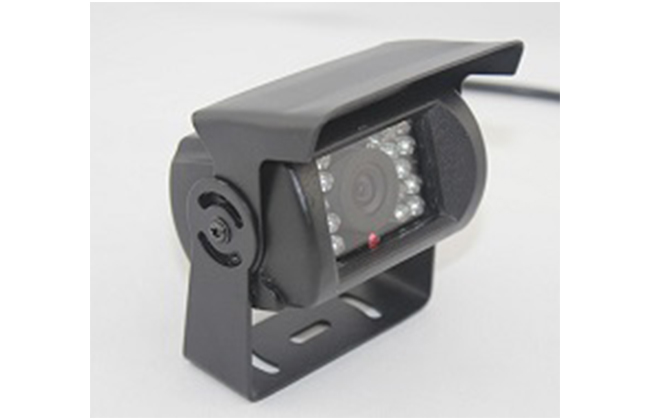
Rear-view cameras
Side blind-spot cameras
Driver-facing cameras
Passenger compartment cameras
This multi-angle coverage helps fleet operators investigate incidents accurately and improve overall safety management.
2. Real-Time Monitoring and GPS Tracking
Modern fleet operations require visibility beyond recorded footage.
With integrated 4G or 5G connectivity, fleet managers can:
View live video remotely
Track vehicle locations in real time
Receive instant alerts
Download incident footage remotely
Monitor route compliance
For logistics fleets and public transportation operators, this capability significantly improves operational control.
3. AI-Powered Driver Safety Features
Artificial intelligence is becoming a standard component of commercial vehicle surveillance systems.
ADAS (Advanced Driver Assistance System)
Typical functions include:
Forward collision warning
Lane departure warning
Headway monitoring
Pedestrian detection
DSM (Driver Status Monitoring)
Driver-facing AI cameras can identify:
Fatigue and drowsiness
Mobile phone usage
Smoking
Driver distraction
Seat belt violations
These proactive alerts help reduce risky driving behavior and lower accident rates.
4. Rugged Design for Commercial Applications
Unlike consumer electronics, fleet surveillance equipment must operate reliably under demanding conditions.
Important specifications include:
Anti-vibration construction
Industrial-grade components
Wide operating temperature range
IP67 waterproof camera protection
Stable performance during long-distance travel
These features are especially important for heavy-duty trucks, construction vehicles, and public transportation fleets.
5. Secure Video Storage and Evidence Protection
Video evidence is often essential for:
Accident investigations
Insurance disputes
Passenger complaints
Legal proceedings
Professional MDVR systems typically support:
High-capacity HDD or SSD storage
SD card backup recording
Data encryption
Automatic overwrite management
Event-based video protection
This ensures critical footage remains secure and accessible when needed.
Recommended Camera Configurations by Vehicle Type
Truck Fleets
Key priorities:
Blind-spot monitoring
Cargo security
Driver behavior management
Recommended setup:
4–6 camera channels
ADAS integration
GPS tracking
Remote video access
Bus and Public Transportation Fleets
Key priorities:
Passenger safety
Driver accountability
Incident investigation
Recommended setup:
6–8 camera channels
Interior and exterior coverage
Live monitoring capabilities
Taxi and Ride-Hailing Vehicles
Key priorities:
Passenger dispute resolution
Driver protection
In-cabin recording
Recommended setup:
Dual-facing cameras
GPS tracking
Cloud-based video access
Police and Law Enforcement Vehicles
Key priorities:
Evidence collection
Real-time command center visibility
Officer safety
Recommended setup:
Multi-channel vehicle surveillance
Wireless video transmission
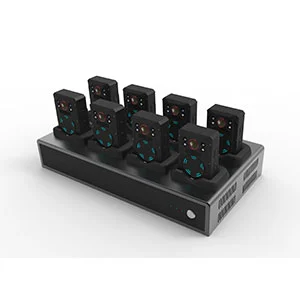
Integration with body-worn cameras
How to Choose the Best Commercial Vehicle Camera System
When evaluating suppliers and solutions, fleet operators should consider the following:
Scalability
Can the system support future fleet expansion?
Connectivity
Does it provide stable 4G/5G communication for remote management?
AI Capability
Does the system support ADAS and DSM technologies?
Data Security
How is video data stored, protected, and managed?
Supplier Experience
Does the manufacturer have proven experience serving commercial fleets globally?
Choosing a reliable supplier is often just as important as choosing the hardware itself.
Why Fleet Operators Worldwide Choose RECODA
With more than a decade of experience in mobile surveillance technology, Shenzhen RECODA Technologies Limited provides professional vehicle security and fleet monitoring solutions for commercial and government sectors.
RECODA specializes in:
Mobile DVR (MDVR) systems
Fleet camera systems
AI-powered driver monitoring solutions
Bus surveillance systems
Truck camera solutions
Police vehicle video systems
Body-worn camera solutions for law enforcement
Today, RECODA products are deployed across North America, Europe, Australia, and Asia, helping organizations improve fleet safety, operational efficiency, and accountability.
Final Thoughts
The best commercial vehicle camera systems are no longer just recording devices. They are intelligent fleet management tools that help organizations:
Reduce accident risks
Improve driver behavior
Strengthen security
Lower insurance costs
Enhance operational visibility
As AI, remote connectivity, and fleet analytics continue to evolve, investing in a professional commercial vehicle surveillance system is becoming a competitive advantage for modern fleet operators.
For organizations evaluating fleet safety technology in 2026, selecting a scalable and reliable MDVR-based solution can deliver long-term operational and financial benefits.