English
  日本語
日本語  한국어
한국어  français
  Deutsch
  Español
  italiano
  русский
  português
  ไทย
ไทย  Malay
Malay 

For enterprise security teams and large-scale law enforcement agencies, the video management system (VMS) is the beating heart of their operations. Platforms like Milestone XProtect and Genetec Security Center represent massive capital investments.
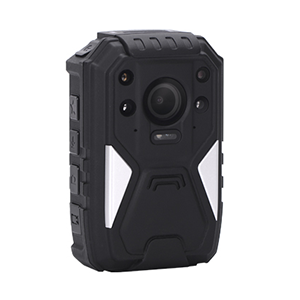
Yet, when it comes to deploying Body Worn Cameras (BWCs), many agencies fall into a costly trap: vendor lock-in. Major BWC manufacturers often force buyers into their closed-loop proprietary software ecosystems, refusing to play nice with third-party VMS platforms. This creates data silos, forcing dispatchers to monitor multiple screens and doubling software licensing costs.
At RECODA, with over a decade of R&D in mobile surveillance, we believe hardware should adapt to your infrastructure—not the other way around. Breaking the compatibility barrier is entirely possible. Here is a deep dive into how enterprise clients can utilize APIs and SDKs to seamlessly sync non-proprietary BWCs with massive VMS platforms like Milestone and Genetec.
The Integration Bridge: API vs. SDK
When breaking out of a closed ecosystem, system integrators typically rely on two technical pathways: an Application Programming Interface (API) or a Software Development Kit (SDK). Understanding the difference is crucial for scoping your integration project.
The API Approach (Application Programming Interface)
Think of an API as a standardized menu in a restaurant. Your VMS (the customer) asks the BWC system (the kitchen) for a specific item, and the API delivers it. Most modern integrations rely on RESTful APIs over HTTP/HTTPS.
The Pros: * Language Agnostic: It doesn't matter what programming language your VMS uses; APIs communicate via universal standard protocols (like JSON or XML).
Speed of Deployment: Ideal for pulling high-level data efficiently, such as requesting a video file, querying camera health, or pulling a user list.
The Cons: * Limited Depth: APIs generally don't allow for real-time, granular hardware control (like tweaking the sensor’s white balance or forcing a deep hardware reset).
The SDK Approach (Software Development Kit)
If an API is a menu, an SDK is giving your developers the keys to the kitchen. It is a comprehensive package of tools, native code libraries, and documentation provided by the BWC manufacturer.
The Pros: * Deep Hardware Control: An SDK allows the VMS to interact directly with the BWC's firmware. This is essential for mapping custom triggers—such as programming the VMS to trigger an alarm when the BWC’s physical "Panic Button" is pressed, or streaming real-time GPS telemetry alongside the video.
The Cons: * Resource Intensive: It requires a dedicated development team to write custom plugins or middleware, and it is usually tied to specific programming languages (like C++ or C#).
Step-by-Step: Syncing BWCs with Milestone or Genetec
So, how do you actually get a non-proprietary BWC feed onto a Milestone or Genetec video wall?
1. Leverage the ONVIF Standard First
Before writing custom code, check for ONVIF compliance. ONVIF (Open Network Video Interface Forum) is the global standard for IP-based physical security products.
Profile S: Ensures basic video streaming via RTSP (Real-Time Streaming Protocol).
Profile G: Handles edge storage and retrieval (pulling recorded video off the BWC dock).
Profile T: Supports advanced streaming features like H.265 compression and metadata. If your BWC and its docking station software are ONVIF compliant, platforms like Genetec and Milestone can often ingest the live video streams natively with minimal configuration.
2. Utilize the VMS Open Platform Tools
Both major VMS players encourage third-party development:
Milestone MIP SDK: Milestone’s Integration Platform SDK allows developers to create custom plugins. You can use the BWC’s API to feed live GPS coordinates into Milestone’s Smart Map feature.
Genetec Web SDK: Genetec provides comprehensive tools to bring in external video and metadata. You can map the BWC's unique identifiers (Officer ID, Battery Life, Shift Status) directly into the Security Desk interface.
3. Build the Middleware (The "Translator")
In enterprise deployments, the BWC doesn't usually talk directly to the VMS. Instead, the cameras dock into a local Management Server (like RECODA's Evidence Management System). Your development team will use the BWC manufacturer's SDK to build a lightweight middleware application. This middleware translates the BWC’s proprietary telemetry (e.g., "Device 001 Battery Low") into a standard event trigger that Milestone or Genetec natively understands (e.g., triggering a UI alert on the dispatcher's screen).
The RECODA Commitment to Open Architecture
A security ecosystem is only as strong as its weakest link, and siloed data is a massive vulnerability. IT directors should not have to rip and replace their entire VMS just to deploy a new fleet of body cameras.
When sourcing non-proprietary BWC solutions, demand open documentation. At RECODA, we actively support system integrators by providing robust, well-documented APIs and SDKs. Whether you need to pull an H.265 RTSP stream into Genetec or map automated redaction logs into Milestone, we believe in giving you the keys to your own data.