English
  日本語
日本語  한국어
한국어  français
  Deutsch
  Español
  italiano
  русский
  português
  ไทย
ไทย  Malay
Malay 

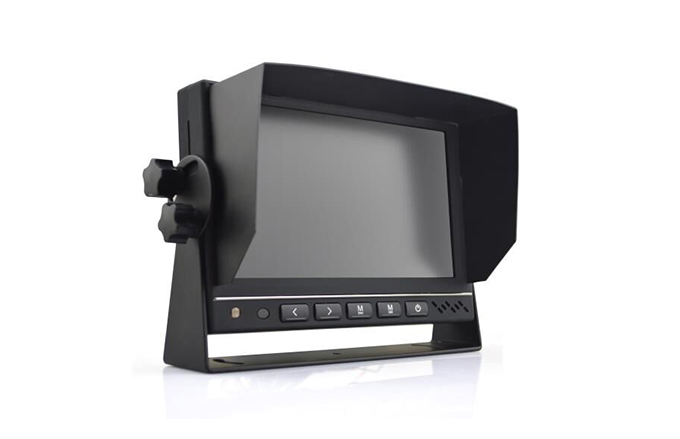
Automotive display screens have become the central hub of modern vehicles—handling video, navigation, safety alerts, and driver interaction. For commercial fleets, buses, trucks, taxis, and engineering vehicles, choosing the right type of display screen is not only about comfort; it directly affects driving safety, monitoring efficiency, and long-term durability.
Below is a complete guide based on the key technologies used in Recoda’s professional vehicle display screens, helping you choose the most suitable monitor for your vehicle or fleet.
1. Prioritize Industrial-Grade Design for Vehicle Environments
Unlike consumer tablets, automotive monitors must endure harsh conditions such as:
Constant vibration & shock
Wide temperature range (−20°C to +70°C)
Voltage fluctuations in 12V / 24V vehicles
Electromagnetic interference (EMI)
Recoda vehicle displays use anti-vibration housing, automotive-grade PCB, and wide-voltage power modules, ensuring stable operation in buses, trucks, emergency vehicles, and off-road machinery.
This durability is essential for:
✓ 24/7 vehicle operation
✓ Heavy-duty fleets
✓ Harsh weather or road conditions
2. Screen Size & Resolution (Clarity Matters More Than Size)
Choosing the right screen size depends on vehicle type and installation location:
7" & 9" — trucks, vans, forklifts, taxis, agricultural vehicles
10.1" & 12.3" — buses, coaches, fleet dashboards
15"–17" — surveillance playback in command vehicles
What to look for:
1080P or higher resolution for reversing cameras & AHD/IPC feeds
IPS display for wide viewing angles and sunlight readability
Anti-glare surface for day-time driving
High resolution is especially crucial if your system connects to AHD 1080P cameras or 360° panoramic systems.
3. Touchscreen Responsiveness (Smooth Operation = Safer Driving)
A good touchscreen should feel instant, even when the vehicle is moving.
Look for features like:
Capacitive multi-touch
Low latency response
Glove-friendly operation (for industrial or winter use)
Unresponsive touchscreens force drivers to look away from the road—this is a hidden safety risk. Recoda’s displays are optimized for fast touch feedback, ensuring safer and more intuitive control.
4. Connectivity & Compatibility (The Heart of a Good Monitor)
Modern automotive screens must integrate smoothly with multiple devices.
Choose one that supports:
AHD / TVI / CVI / CVBS camera inputs
IPC (network) camera compatibility for MDVRs
HDMI, VGA, or AV inputs
4-channel or 8-channel video display
For fleets using Recoda MDVR systems, seamless compatibility allows:
Reversing camera
Side cameras
Cabin monitoring
Front ADAS camera
360° panoramic views
…all on one monitor, with zero delay.
5. Voice Control (Optional but Extremely Useful)
For drivers who need hands-free operation, voice commands improve safety by reducing the time spent navigating menus.
Useful voice functions include:
Set navigation
Switch camera channels
Adjust volume
Playback recordings
Voice integration keeps both hands on the wheel and both eyes on the road.
6. Integration with Vehicle & Safety Systems
The best automotive display screens work as a full control center.
Look for screens that can connect with:
ADAS (lane departure & forward collision alerts)
DMS/DSM (fatigue & distraction monitoring)
Blind spot detection systems
Parking radar
360° surround view systems
GPS + 4G MDVR for fleet management
This level of integration is where Recoda specializes—providing complete monitoring + display solutions for fleets.
7. Latest Display Technology Trends
OLED / QLED
High contrast
Deep blacks
Excellent for night driving
Great for premium dashboards
Curved & Floating Screens
Perfect for modern dashboards, especially EV and intelligent vehicles.
Augmented Reality HUD
Projects navigation and alerts directly on the windshield.
Still emerging—but becoming common in luxury vehicles.
8. Practical Buying Checklist
Before purchasing, always evaluate:
✓ Compatibility
Does the display support the cameras and MDVR you already use?
✓ Upgradability
Can the firmware or system be updated for future features?
✓ Durability
Is it shockproof, waterproof, heat-resistant?
✓ Budget
Choose a balance between required functions and cost.
For commercial fleets, reliability often matters more than advanced graphics.\
Conclusion
Choosing an automotive display screen is about more than size or aesthetics—it impacts safety, visibility, and total vehicle efficiency.
By focusing on industrial-grade durability, high-clarity resolution, touch responsiveness, and integration with cameras and MDVR systems, you can ensure a monitor that enhances both driving safety and fleet performance.