English
  日本語
日本語  한국어
한국어  français
  Deutsch
  Español
  italiano
  русский
  português
  ไทย
ไทย  Malay
Malay 

Construction sites are among the most challenging environments to manage. Large-scale projects often involve hundreds of workers, heavy machinery, elevated structures, hazardous materials, and constantly changing working conditions. For project managers and HSE (Health, Safety, and Environment) officers, maintaining complete visibility across the entire site while ensuring compliance with safety regulations is a continuous challenge.
Traditional monitoring methods, such as fixed CCTV cameras and manual inspections, often fail to provide real-time visibility into mobile operations. Workers move between different areas, including scaffolding, tunnels, excavation zones, and equipment operation areas where fixed cameras may not provide sufficient coverage.
A 4G AI body worn camera provides a smarter approach by enabling mobile video monitoring, real-time communication, and intelligent safety management. By combining wearable technology, 4G connectivity, and AI-powered features, these devices help construction companies move from reactive incident handling toward proactive safety control.
The Challenges of Traditional Construction Site Monitoring
Limited Coverage from Fixed CCTV Systems
Fixed CCTV cameras are essential for construction security, but they have inherent limitations. Since cameras are installed in fixed locations, they cannot follow workers or capture activities in temporary work areas.
Common blind spots include:
High-rise construction areas
Underground working environments
Remote corners of large construction sites
Temporary installation zones
Areas around moving machinery
When safety incidents occur in these locations, managers may have limited visual information to understand what actually happened.
Delayed Response to Safety Issues
Construction safety depends heavily on quick decision-making. However, traditional monitoring methods often rely on workers reporting problems or supervisors physically inspecting the site.
This creates delays when dealing with:
Unsafe working practices
Unauthorized access
Equipment operation risks
Emergency situations
Safety procedure violations
Without immediate visibility, safety teams can only respond after an incident has already occurred.
Difficult Incident Investigation and Liability Management
After an accident, determining the exact cause is often complicated. Without first-person video evidence, companies may face difficulties during:
Safety investigations
Insurance claims
Contractor disputes
Compliance audits
A wearable camera provides an objective record of events from the worker’s perspective, helping organizations improve accountability and reduce potential disputes.
How 4G AI Body Worn Cameras Improve Construction Site Safety
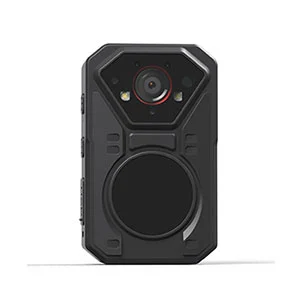
A smart wearable camera such as the RECODA M530 4G AI Body Camera provides construction teams with real-time visibility and advanced safety management capabilities.
1. Real-Time Remote Monitoring with 4G Video Streaming
One of the biggest advantages of a 4G body worn camera is the ability to transmit live video from the construction site to a remote monitoring center.
Through 4G RTSP video streaming, project managers and safety supervisors can view real-time footage from their office computers without physically visiting every working area.
This enables:
Remote safety inspections
Real-time project supervision
Faster emergency response
Reduced travel time between sites
For companies managing multiple construction projects across different locations, remote monitoring significantly improves operational efficiency.
Instead of waiting for daily reports or scheduled inspections, managers can directly see what is happening on-site at any moment.
2. First-Person Perspective for Better Safety Management
Unlike traditional surveillance cameras, body worn cameras capture the worker’s actual viewpoint.
This first-person perspective provides valuable information about:
Worker behavior
Working conditions
Equipment operation procedures
Safety compliance
Environmental hazards
For example, an HSE officer can remotely review whether workers are correctly wearing personal protective equipment (PPE), following operational procedures, or entering restricted areas.
This makes safety supervision more accurate and practical, especially on large construction projects.
3. AI-Powered Safety Monitoring and Smart Alerts
Modern AI body cameras go beyond simple video recording. With intelligent analysis capabilities, these devices can support automated safety management.
AI functions can help identify potential risks such as:
Unsafe worker behavior
Unauthorized activities
Restricted area access
Abnormal situations
By generating smart alerts, safety teams can take preventive action before a minor issue develops into a serious accident.
AI technology helps reduce dependence on manual monitoring and allows supervisors to focus on higher-priority safety tasks.
4. Rugged Design for Harsh Construction Environments
Construction sites are demanding environments where electronic devices must withstand dust, water, impact, and daily wear.
The RECODA M530 smart body camera is designed for industrial applications with features including:
High IP-rated protection
Durable housing structure
Resistance to dust and water exposure
Reliable operation in outdoor environments
Whether used on construction sites, infrastructure projects, or industrial facilities, rugged wearable cameras ensure continuous performance in challenging conditions.
5. Reliable Video Evidence for Compliance and Dispute Resolution
Safety documentation is a critical part of modern construction management.
A 4G AI body worn camera creates secure video records that can support:
Accident investigations
Safety training programs
Regulatory compliance
Contractor management
Insurance documentation
Recorded footage provides an objective view of site activities, helping companies establish transparency and improve safety accountability.
Key Applications of AI Body Cameras in Construction Sites
Remote HSE Inspections
Safety officers can perform virtual inspections by accessing live video from workers equipped with body cameras.
This is especially useful for:
Large construction projects
Multi-site contractors
Remote infrastructure projects
Heavy Equipment Operation Monitoring
Supervisors can monitor operators working with:
Cranes
Excavators
Forklifts
Construction machinery
Real-time video helps ensure proper procedures are followed and improves operational safety.
Emergency Response and Incident Management
During emergencies, wearable cameras provide immediate situational awareness.
Command centers can quickly understand:
The location of the incident
Current site conditions
Required assistance
This helps emergency teams respond faster and more effectively.
Why Construction Companies Are Moving Toward Smart Wearable Cameras
The construction industry is increasingly adopting digital technologies to improve safety, efficiency, and compliance.
Compared with traditional monitoring solutions, 4G AI body worn cameras offer:
| Traditional Monitoring | 4G AI Body Worn Camera |
| Fixed viewing areas | Mobile first-person monitoring |
| Delayed information | Real-time video streaming |
| Manual inspections | Remote supervision |
| Limited evidence | Complete visual records |
| Reactive response | Proactive safety management |
By integrating wearable cameras into their safety systems, construction companies can create a more connected and transparent working environment.
Conclusion: Building Safer Construction Sites with 4G AI Body Cameras
Construction safety requires more than traditional surveillance. As projects become larger and more complex, companies need smarter tools that provide real-time visibility and faster decision-making.
A 4G AI body worn camera enables construction managers, HSE officers, and site supervisors to monitor operations remotely, improve safety compliance, and maintain reliable visual evidence.
With features such as 4G live streaming, AI-powered alerts, rugged industrial design, and first-person video recording, smart body cameras like the RECODA M530 are becoming an important solution for modern construction site safety and remote management.